Cuisine Roundup
35 French Dinner Ideas Better Than the Restaurant
Looking for french dinner ideas? Discover 35 crowd-pleasing french dinner ideas you'll actually want to make tonight — quick, approachable, and proven by real h
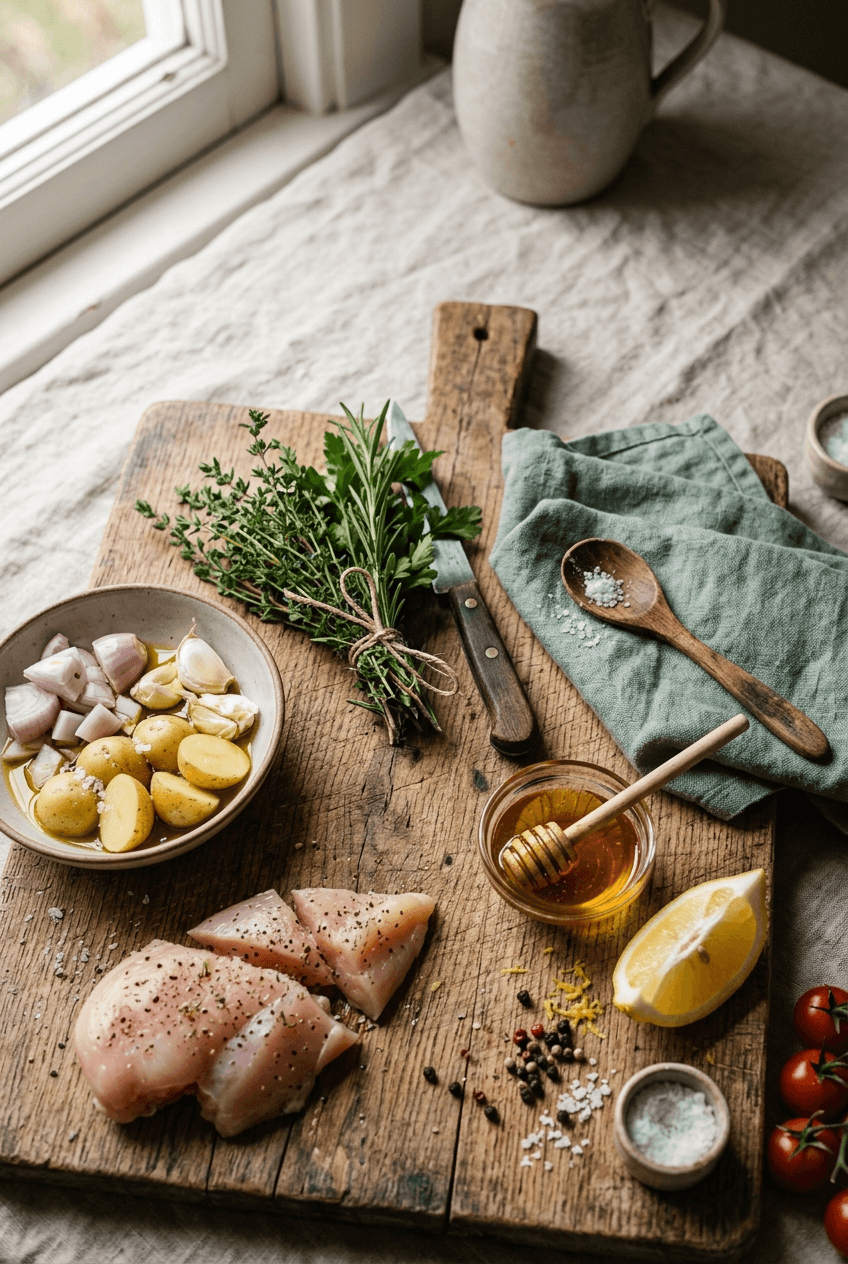
French home cooking has a reputation problem. People hear "French dinner" and picture white tablecloths, three-hour reductions, and a copper pot they don't own. The truth is most French weeknight food comes from places like Lyon's bouchons and the farmhouse kitchens of Provence, where dinner means a braise that ran itself while someone was in the garden, or a pan sauce thrown together in the four minutes after the steak comes off.
The bones of it are simple: butter, shallots, a splash of wine, mustard, time. Once you have those moves down, half the bistro menu opens up. Here are 35 to start with.
The picks
1. Coq au vin
A red-wine braise from Burgundy. Bone-in chicken thighs, lardons, mushrooms, pearl onions, 90 minutes on the stove. Forgiving, and better the day after when the sauce has had a night to think.
2. Boeuf bourguignon
The other Burgundian classic. Beef chuck cubed and browned hard, then braised in red wine with carrots and a bouquet garni for three hours until the meat shreds under a fork.
3. Steak frites
Bistro shorthand for a seared hanger or ribeye, a pile of double-fried potatoes, and a pan sauce. The whole thing comes together in 20 minutes if your fries are already blanched.
4. Soupe à l'oignon
French onion soup, properly made: four pounds of onions cooked down for an hour until mahogany, deglazed with sherry, topped with toasted baguette and Gruyère, broiled until the cheese bubbles.
5. Ratatouille
Provence in a pan. Eggplant, zucchini, peppers, tomatoes, herbes de Provence, slow-stewed or roasted in tidy rounds. Eat hot, room temp, or cold the next day on toast.
6. Croque monsieur
A ham and Gruyère sandwich enriched with béchamel, then griddled and broiled until the top blisters. Add a fried egg and it becomes a croque madame.
7. Gratin dauphinois
Sliced potatoes layered with cream, garlic, and nutmeg, baked at 350 F for an hour. No cheese in the original, though most home cooks sneak in some Gruyère on top.
8. Quiche Lorraine
Eggs, cream, lardons, blind-baked shortcrust. Bake at 325 F low and slow so the custard sets without weeping. Cheese is optional in the traditional version.
9. Moules marinière
Mussels steamed in white wine, shallots, parsley, and a knob of butter. Six minutes from cold pot to dinner. Serve with frites or a baguette to mop the broth.
10. Sole meunière
A whole sole dredged in flour, pan-fried in butter, finished with lemon and capers. Julia Child's first French dinner. The whole technique is in the title: meunière, miller's wife.
11. Blanquette de veau
A white veal stew from Normandy. Veal shoulder simmered with leeks and carrots, the broth thickened with egg yolk and cream off the heat. No browning, no color, just gentle.
12. Cassoulet
Languedoc's bean and meat casserole. White beans, duck confit, garlic sausage, sometimes lamb, baked under a crust of breadcrumbs. A weekend project, not a Tuesday.
13. Tarte flambée
Alsace's pizza, basically. Thin dough, crème fraîche, lardons, raw onion, baked at 500 F for eight minutes until the edges char.
14. Salade Lyonnaise
Frisée, lardons, croutons, a poached egg, warm bacon vinaigrette. The yolk breaks into the dressing and that's the whole point.
15. Niçoise
Tuna, hard-boiled eggs, olives, green beans, tomatoes, anchovies, no potatoes if you're being strict about it. Dressed lightly with olive oil and lemon.
16. Escargots à la bourguignonne
Snails baked in shells with garlic-parsley butter at 400 F for ten minutes. Order them once at a bistro and you'll see why they survived the centuries.
17. Confit de canard
Duck legs cured in salt, then poached in their own fat at 200 F for four hours. Crisp the skin in a hot pan before serving. Keeps for weeks under the fat.
18. Pissaladière
A Niçois flatbread of caramelized onions, anchovies, and olives. Cooked low for an hour, the onions almost jam. Cut into squares as an apéro or dinner with a salad.
19. Hachis Parmentier
French shepherd's pie. Braised beef or duck confit under mashed potatoes, browned under the broiler. Named after the man who convinced France to eat potatoes.
20. Bouillabaisse
Marseille's fish stew. At least four kinds of Mediterranean fish, fennel, saffron, orange peel. Served with rouille and toasted bread that you float on top.
21. Tartiflette
Savoie's cheese-and-potato gratin. Sliced potatoes, lardons, onions, an entire wheel of Reblochon laid across the top, baked until the cheese pools.
22. Pot-au-feu
The French boiled dinner. Beef shank, marrow bones, leeks, carrots, turnips, simmered for three hours. The broth becomes a first course, the meat a second.
23. Daube provençale
Provence's beef stew. Marinated overnight in red wine and orange peel, then braised four hours with olives and tomatoes. A boeuf bourguignon with a southern accent.
24. Choucroute garnie
Alsatian sauerkraut piled high with sausages, smoked pork, bacon, sometimes a frankfurter or two. Cooked with white wine and juniper. A cold-weather feast.
25. Magret de canard
Duck breast scored skin-side, started cold in a dry pan, rendered slow over 12 minutes. Rest, slice, serve with a cherry or green peppercorn sauce.
26. Poulet rôti
Roast chicken, French-style. Salted a day ahead, butter under the skin, roasted at 425 F until the juices run clear. Pan drippings deglazed with white wine make the sauce.
27. Lapin à la moutarde
Rabbit braised with whole-grain Dijon, white wine, and crème fraîche. About 45 minutes. Chicken thighs work if rabbit is hard to source.
28. Brandade de morue
Salt cod whipped with potato, olive oil, garlic, and milk into a creamy purée. Spread on toast or baked au gratin until the top browns.
29. Soupe au pistou
A summer vegetable soup from Provence finished with a dollop of pounded basil, garlic, and Parmesan. Italian-adjacent, very Niçois.
30. Salade frisée aux lardons
Cousin to the Lyonnaise. Frisée, hot bacon, sherry vinegar, sometimes a poached egg. A 10-minute first course or a light dinner.
31. Endives au jambon
Belgian endives wrapped in ham, blanketed in béchamel and Gruyère, baked at 400 F until the top spots brown. Childhood food in northern France.
32. Poulet basquaise
Basque chicken. Bone-in pieces braised with peppers, tomatoes, onions, and Espelette pepper. About an hour, served over rice.
33. Tartare de boeuf
Hand-chopped raw beef seasoned with capers, shallot, cornichons, Dijon, Worcestershire, an egg yolk on top. Served with frites and a green salad.
34. Aligot
A mashed potato from the Aubrac region whipped with melted Tomme cheese until it stretches a foot from the pan. A spectacle, and a side dish.
35. Vol-au-vent
A puff pastry shell filled with chicken, mushrooms, and cream sauce. Old-school dinner-party food that's making a quiet comeback.
A small French pantry primer
A handful of staples carries the whole cuisine. Good unsalted butter is the base of pan sauces and almost everything else, so buy European-style if you can. Dijon mustard emulsifies pan sauces in 30 seconds — whisk it in off the heat. A bottle of dry white wine (Muscadet, Sauvignon Blanc) handles deglazing and braises; a tin of anchovies disappears into vinaigrettes and braised greens to deepen them without tasting fishy. Herbes de Provence is your ratatouille, daube, and roast chicken in one jar. Crème fraîche finishes sauces without curdling and lasts a month opened. Shallots, finely minced, are the engine of every bistro vinaigrette.
FAQ
Frequently asked
What's the easiest French dish to start with?
Roast chicken with a pan sauce. Salt the bird the night before, roast at 425 F, then deglaze the pan with white wine and a spoon of Dijon. Two techniques, one dinner.
Do I need wine to cook French food?
Not really. Swap red wine for unsalted beef stock plus a splash of red wine vinegar; swap white wine for chicken stock plus a squeeze of lemon. The acid is what matters more than the alcohol.
What pan should I use for pan sauces?
A stainless steel skillet, not nonstick. You need the browned bits stuck to the bottom — the fond — to deglaze into sauce. Nonstick surfaces don't develop fond, which is why bistro kitchens don't own them.